The Site is under maintenance

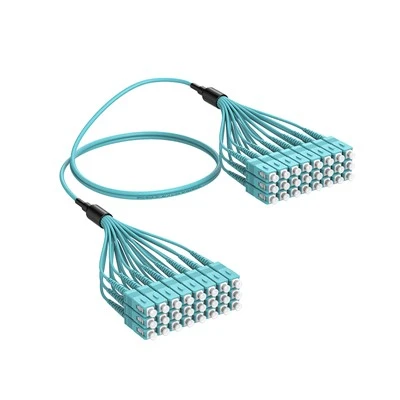
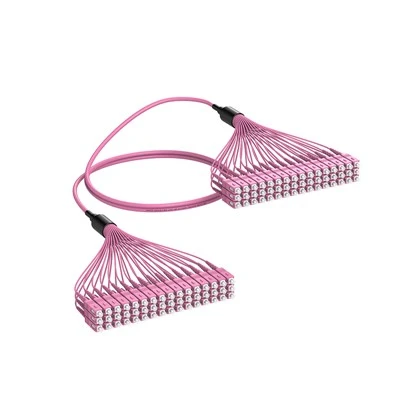
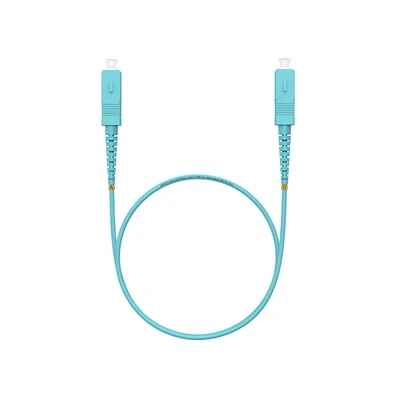
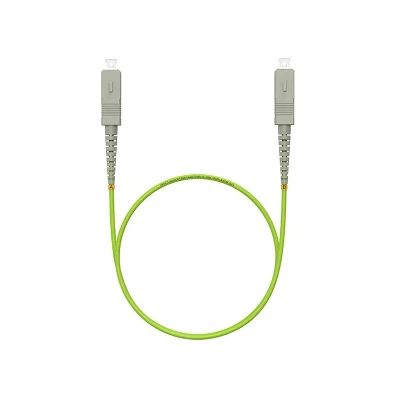
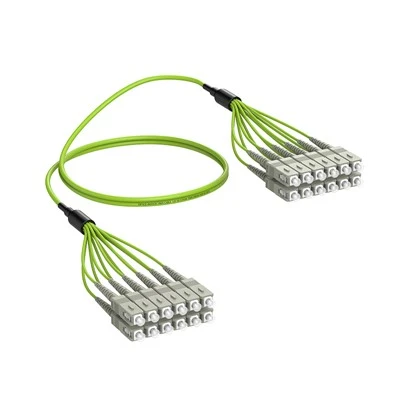
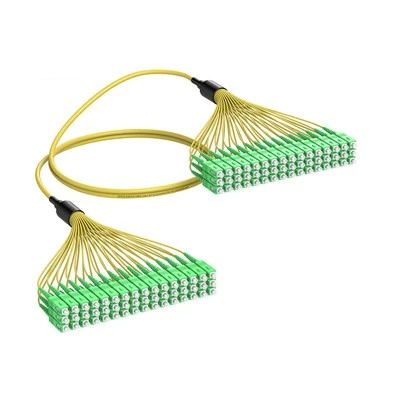
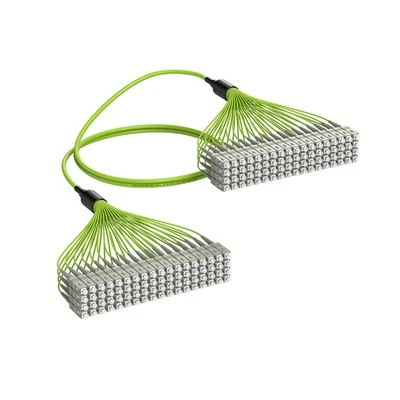
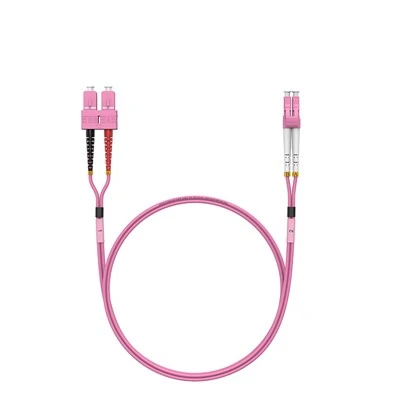
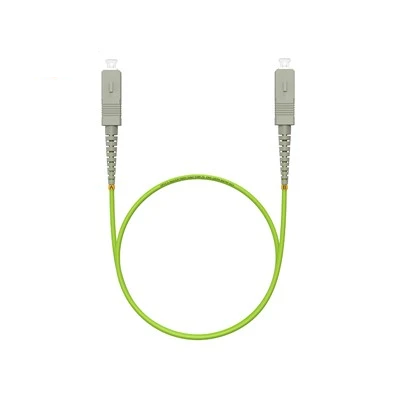
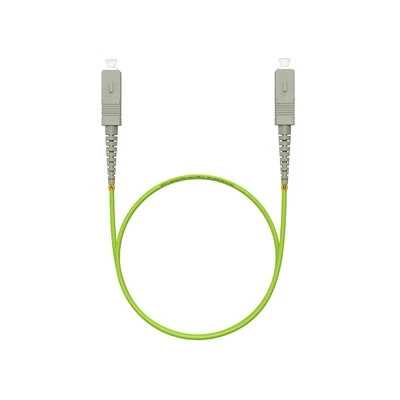
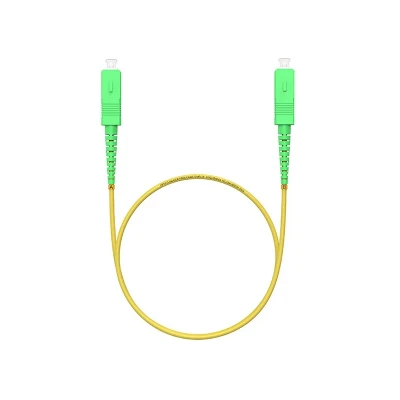
24F SC To SC Fiber Patch Cord Breakout Cable OM5 uses LZSH low smoke halogen-free material for long-lasting durability.
The optical fiber core of 24F SC To SC Fiber Patch Cord Breakout Cable OM5 is surrounded by a transparent, low-refractive cladding material, which has ultra-high data transmission performance.
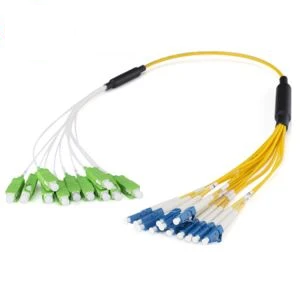
The fan-shaped design of the 24F SC To SC Fiber Patch Cord Breakout Cable OM5 reduces the volume and weight of the cable bundle, making it easier to manage and wire, saving wiring costs.
The operating temperature of 24F SC To SC Fiber Patch Cord Breakout Cable OM5 is -40~+85 degrees, suitable for Ethernet, Fiber Channel, Gigabit Ethernet speeds, data centers, venues, education, business, LAN, SAN, building backbones, etc.
24F SC To SC Fiber Patch Cord Breakout Cable OM5 has complete performance and high quality and is fully adapted to various brands, including Cisco, Juniper, Huawei, H3C, Mellanox, and other brands.
24F SC To SC Fiber Patch Cord Breakout Cable OM5 is equipped with equipment, for example, qsfp56 cable, qsfp56 100g, qsfp56 200g, qsfp56 qsfp28, 400g AOC cable, 400g SFP zr, 40g AOC cable, 400g to 100g breakout, 200g sfp.
The OPTICO factory has a strong team of engineers, production capacity, and external expansion capabilities, and can undertake any free customization, such as production drawing, optical fiber material used, optical fiber brand used, customized armored optical fiber, optical fiber rack, etc. One-stop configuration.
The sheath material used in OPTICO's jumpers is LSZH, which has good flame retardant properties and is suitable for use in optical line terminals (OLT).
LSZH is the abbreviation of Low Smoke Zero Halogen, which indicates non-halogenated flame retardant cable sheath materials. This type of cable sheath material, employed in various Optical Line Termination (OLT) installations, has excellent fire safety characteristics of low smoke, low toxicity, and low corrosion.
Therefore, it is suitable for application environments such as centralized office areas, public transportation railway systems, nuclear power plants, and refineries, effectively protecting personnel and equipment from toxic and corrosive gases associated with Optical Line Termination (OLT) operations.